The global radiation protection apron market is witnessing steady expansion due to the increasing need for safety in medical imaging and radiation-based procedures. The radiation protection apron market size is expected to grow from US$ 135.37 million in 2022 and to reach a value of US$ 205.73 million by 2030; it is anticipated to record a CAGR of 5.4% from 2022 to 2030. This growth is largely attributed to the rising number of diagnostic imaging procedures, growing awareness about radiation hazards, and stringent regulatory standards across healthcare systems worldwide. Hospitals, radiology centers, and research laboratories are the primary end users driving demand for high-quality protective gear.
In terms of Radiation Protection Apron Market recent developments, manufacturers are increasingly focusing on innovation in materials and ergonomic design. The shift from traditional heavy lead-based aprons to lightweight, lead-free, and composite alternatives is a significant trend. These advancements improve comfort for healthcare professionals who wear aprons for extended periods. Additionally, companies are investing in eco-friendly materials to address concerns related to lead toxicity and environmental impact. Strategic acquisitions and product portfolio expansions are also shaping the competitive landscape, enabling companies to enhance their offerings and expand global reach.
Ask for Sample Report @ https://www.theinsightpartners.com/sample/TIPRE00005397
One of the primary drivers of the radiation protection apron market is the growing prevalence of chronic diseases and the corresponding rise in diagnostic imaging procedures such as X-rays, CT scans, and fluoroscopy. These procedures expose both patients and healthcare workers to ionizing radiation, necessitating effective protective solutions. As healthcare infrastructure continues to expand, especially in emerging economies, the demand for radiation protection equipment is expected to increase significantly. Moreover, the rising adoption of minimally invasive procedures, such as interventional cardiology and image-guided surgeries, has further amplified the need for reliable radiation shielding products.
Technological advancements are also playing a crucial role in market growth. Manufacturers are developing aprons with improved weight distribution, flexibility, and durability to enhance user experience. Innovations such as multi-layered composite materials and customizable designs are gaining traction. These features not only provide effective radiation protection but also reduce fatigue among healthcare professionals. Furthermore, digital integration, such as tracking apron usage and wear-and-tear through smart systems, is emerging as a novel trend in the market.
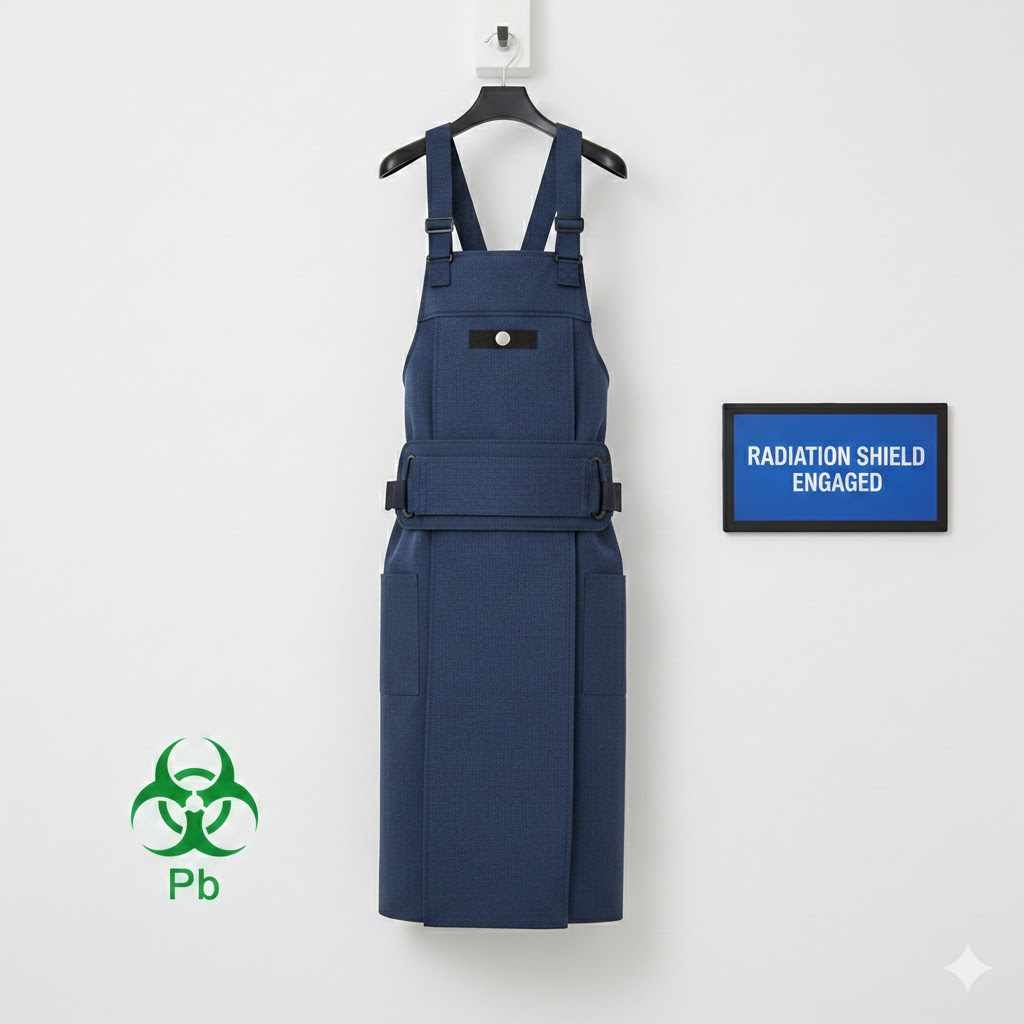
From a segmentation perspective, the market is categorized based on type, material, and end user. By type, vest and skirt aprons are gaining popularity due to their ability to distribute weight evenly across the body, reducing strain on the back and shoulders. In terms of material, lead aprons continue to dominate due to their superior shielding capabilities; however, lead-free and light composite aprons are rapidly gaining market share due to their lightweight properties and environmental benefits. Hospitals represent the largest end-user segment, as they perform a high volume of imaging and interventional procedures.
Geographically, North America and Europe hold significant shares of the radiation protection apron market due to well-established healthcare infrastructure, high adoption of advanced medical technologies, and strict regulatory frameworks. For instance, North America alone is projected to reach over US$ 87 million by 2030, supported by the increasing use of digital imaging technologies. Europe also demonstrates strong growth driven by rising cancer screening procedures and demand for protective equipment in hospitals. Meanwhile, the Asia Pacific region is expected to register the fastest growth, fueled by expanding healthcare infrastructure, increasing awareness of radiation safety, and a growing patient population.
Despite the positive outlook, the market faces certain challenges. Limited awareness about radiation safety in developing regions and the high cost of advanced protective aprons may hinder adoption. Additionally, improper usage and lack of standardization in safety protocols can impact the effectiveness of radiation protection measures. However, ongoing educational initiatives and government regulations aimed at improving radiation safety standards are expected to mitigate these challenges over time.
Related Report:
1) Blade Remover Market Outlook, Size, and Growth Forecast to 2034
2) Fume Hood Market Growth, Trends, and Analysis by 2031
3) Hospital Stretchers Market Overview, Growth, Trends, and Analysis (2021-2031)
About Us -
The Insight Partners provides comprehensive syndicated and tailored market research services in the healthcare, technology, and industrial domains. Renowned for delivering strategic intelligence and practical insights, the firm empowers businesses to remain competitive in ever-evolving global markets.
Contact Information –
Email: sales@theinsightpartners.com
Phone: +1-646-491-9876
Also Available in : Korean German Japanese French Chinese Italian Spanish










Write a comment ...